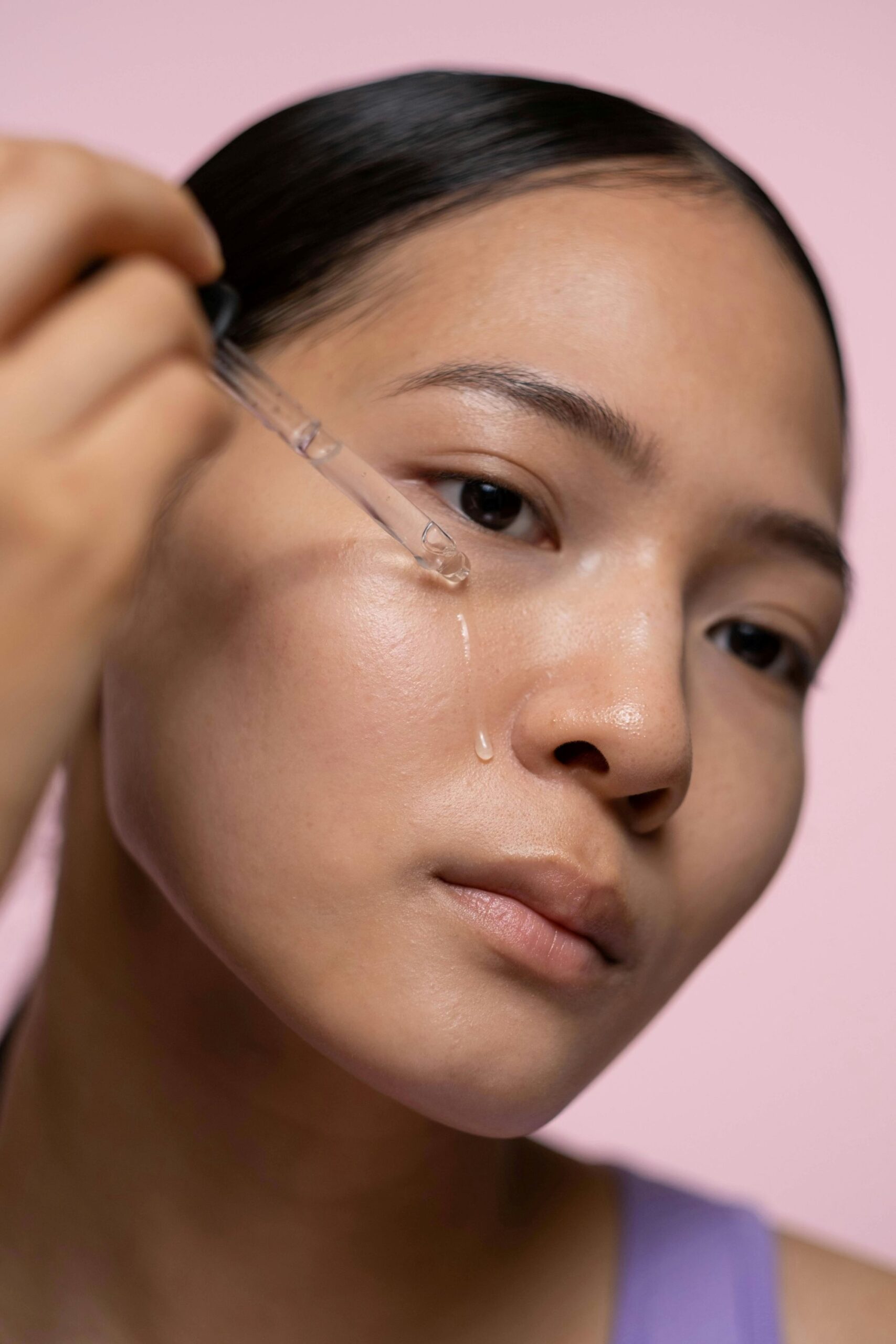
Korean skincare has shaped beauty routines for years, but the conversation in 2026 feels noticeably different. The glossy, ultra-polished idea of perfect skin is no longer the whole focus. Instead, attention has shifted towards something more realistic and far easier to live with: skin that looks calm, fresh and well cared for.
That’s where the move from glass skin to barrier care comes in. The glow people still love hasn’t disappeared, but it now feels softer and more believable. Rather than chasing an almost reflective finish, more people are looking for hydration, comfort and formulas that support the skin without making it feel overloaded.
It’s one of the reasons Korean beauty continues to stand out. There’s still plenty of innovation, trend-led excitement and beautifully formulated products, but there’s also a growing emphasis on routines that work in real life. For many people, especially in busy cities, skincare now needs to feel effective without becoming another complicated task.
I think that’s part of what interests me about Korean beauty – it feels practical but still quite considered.
A few years ago, glass skin was everywhere. It was all about that ultra-smooth, luminous look that made skin appear almost impossibly polished. In 2026, the trend is still around, but it has evolved into something more wearable.
Now, the appeal is less about looking flawless and more about looking healthy, hydrated and naturally radiant. It’s a subtle shift, but it changes the whole mood of a routine. Skin can still look bright and fresh without being pushed to extremes or layered with products purely for the sake of it.
That change has made K-beauty feel more approachable too. You don’t need a ten-step routine to take inspiration from it. A gentle cleanser, a hydrating toner or essence, and a moisturiser that helps keep skin balanced can often do far more than an overcrowded shelf of products ever could.
I think that’s part of why it’s so appealing to me. Having a lengthy skincare routine with lots of steps and products isn’t something I really have time for.
If there’s one skincare phrase that has truly defined the past year, it’s the skin barrier. In simple terms, the barrier is the outermost part of the skin that helps hold moisture in and keep external stressors out. When it isn’t functioning well, skin can feel dry, tight, reactive or generally out of balance.
That’s exactly why barrier-focused skincare feels so relevant right now, especially in a city like London. Daily commuting, central heating, air conditioning, pollution and fast-moving routines can all leave skin feeling stressed. Even if you’re not dealing with obvious sensitivity, your skin can still end up looking dull, dehydrated or more reactive than usual.
For anyone living a busy, urban lifestyle, barrier care makes sense because it isn’t about doing more, it’s about doing the right things consistently. It offers a lower-effort, more sustainable approach to skincare that fits naturally into modern routines. Which is exactly how I like my skincare to feel.
That’s why barrier-focused skincare has become such a major part of Korean beauty. Instead of constantly reaching for stronger formulas, many people are becoming more interested in ingredients that help skin feel soothed and supported.
Ceramides are a key example, helping to reinforce the skin barrier and reduce dryness. Panthenol is another favourite for adding comfort and softness, while centella asiatica is widely loved for the way it helps calm the look of stressed skin. Heartleaf has also become increasingly popular in formulas designed to feel fresh and balancing, while squalane remains a go-to for lightweight nourishment that doesn’t feel heavy.
This is also why the latest wave of Korean skincare products feels so appealing. There’s a strong focus on hydration and comfort, without losing the sensorial aspect that K-beauty does so well.
One of the nicest things about this shift is that skincare routines are starting to feel less harsh. There’s more room now for listening to your skin and adjusting your routine depending on what it needs.
That might mean using an exfoliating product only a few times a week rather than every night. It might mean following active ingredients with calming, moisture-focused layers. It might also mean being more selective about trends, choosing formulas that genuinely work for your skin rather than buying into every new launch.
This more measured approach feels especially relevant for anyone whose skin is prone to sensitivity or dehydration. Often, skin looks better when it feels settled and that’s very much the direction Korean skincare is leaning into right now.
Brands focused on simple, balanced formulas, including iUNIK skincare, fit naturally into that softer approach to daily skincare.
One of the reasons this trend resonates so strongly is that it translates easily into a practical routine. It doesn’t need to be elaborate.
A simple barrier-friendly routine could look something like this:
1. Gentle cleanse
Start with a cleanser that removes the day without leaving skin feeling stripped or tight.
2. Hydrating toner or essence
Choose a formula that adds lightweight hydration and helps soften the skin. Milky toners and calming essences work especially well here.
3. Targeted serum
This is where ingredients such as centella, panthenol or heartleaf can be particularly useful, depending on what your skin needs.
4. Moisturiser
Lock everything in with a moisturiser that supports the barrier and helps maintain comfort. Ceramide-rich creams and gel-creams are especially good options.
5. SPF (morning)
If you’re focusing on skin health, daily sun protection remains essential.
What makes this kind of routine appealing is that it feels manageable. It suits the person getting ready quickly before work, the commuter dealing with city air, or anyone who wants their skin to feel better without dedicating half an hour to it every day.
While trends move quickly, a few ingredients continue to stay relevant for good reason.
Centella remains a favourite for calming the look of stressed skin. Heartleaf is popular for those wanting something fresh and balancing, while fermented ingredients continue to show up in essences and serums designed to leave skin looking smooth, hydrated and healthy.
There’s also growing interest in products that target blemishes and uneven texture without making the rest of the face feel stripped. That balance is part of why ranges like SOME BY MI continue to attract attention – they fit neatly into this newer, more thoughtful version of K-beauty, where visible results still matter, but skin comfort matters just as much.
One thing Korean skincare continues to do exceptionally well is texture.
Even people who aren’t especially trend-driven tend to notice how elegant many K-beauty formulas feel. Milky toners, soft cleansing balms, light gel creams and silky serums all help make a routine more enjoyable.
That matters more than it sounds. Products that feel good on the skin are usually the ones people use consistently – and consistency tends to be far more effective than constantly switching between whatever is trending online.
What makes Korean skincare so interesting right now is that it feels less focused on perfection and more focused on skin that looks healthy and comfortable.
The glow is still there, but it’s tied much more closely to hydration, balance and barrier support than to chasing an unrealistic finish.
That feels like a positive direction. Beauty trends will always come and go, but skin usually looks its best when it’s treated gently and given what it needs.
For readers balancing work, commuting and everyday life in places like London, that shift feels especially relevant. It brings skincare back to something more useful, more realistic and ultimately more enjoyable – which may be exactly why this approach has such staying power.
Living in London, I’m often carrying coffee with me on the Tube or walking through…
Living in a London flatshare often means working with a smaller bedroom, where every bit…
Living in London often means living in a flatshare, and after more than 14 years…
When spring comes around, I tend to reach for lighter, softer fragrances. Heavier perfumes can…
I’ve been trying Liis Studied for a while now, and it’s one of those fragrances…
I’ve seen Glossier Cloud Paint in Puff mentioned quite a lot as one of the…