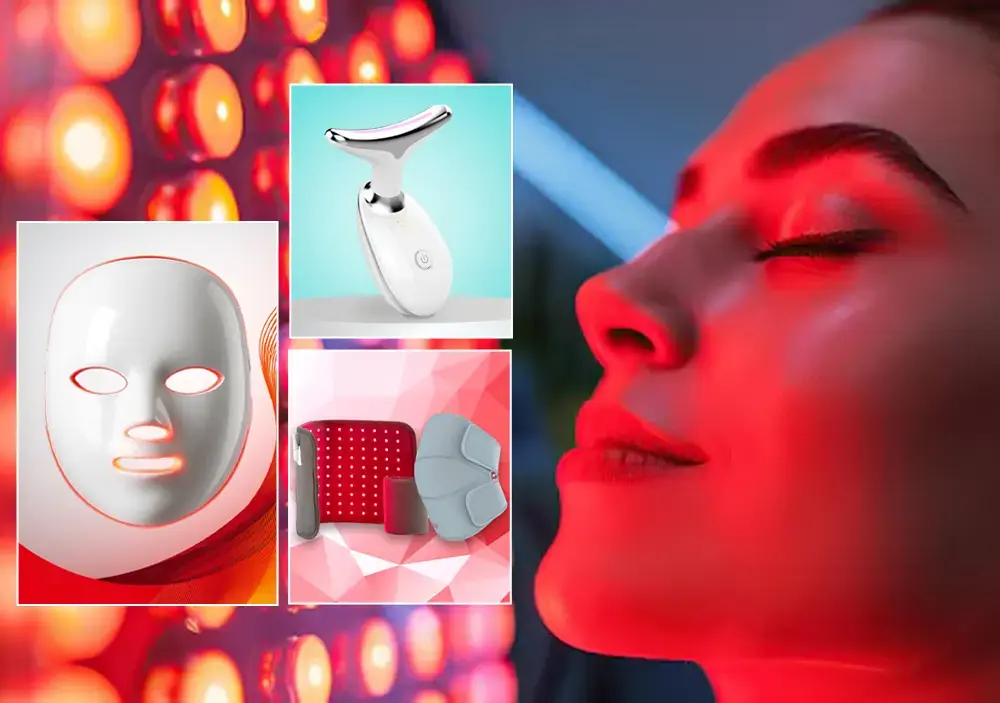
I’ve been noticing more and more at-home beauty and wellness devices recently, especially things like LED masks and red light therapy tools.
I think it started when I bought the Foreo Luna Mini 2 a while ago. You can read my review on that and whether I think it’s worth it here. Since then, I’ve found myself a bit more curious about the different types of skincare devices people use at home, particularly the ones that are meant to support skin over time rather than give instant results. I’ve also seen a lot of reels on social media where people have been using them and it looks quite fun (and freaky).
Red light therapy is one of those things I kept coming across. It seems to sit somewhere between skincare and general wellness, and is often used for things like improving skin appearance, supporting recovery, or just as part of a wider self-care routine.
In simple terms, these devices use red and near-infrared light, which interact with the skin and the layers beneath it. They’re often associated with things like supporting skin texture, circulation and recovery over time.
There are quite a few different types available now, from facial masks and handheld tools to larger panels and wearable wraps.
This guide highlights some of the best infrared light therapy devices currently used for skin health, recovery, and home wellness routines.
What is red light therapy?
Red light therapy is a non-invasive treatment that uses specific wavelengths of light to interact with the skin.
You’ll often see it mentioned in relation to:
- skin texture and tone
- breakouts
- muscle recovery
- general skin maintenance
It was originally used more in clinical or sports settings, but it’s become much more accessible as at-home devices have become more widely available.
A lot of people now use these types of devices as part of a regular routine, alongside things like facial tools or skincare products.
Glokore LED Mask – Hands-Free Facial Light Therapy
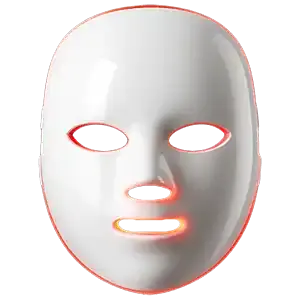
LED masks are probably one of the most recognisable types of red light therapy devices.
The Glokore LED mask is designed to be worn over the face, which makes it quite easy to use at home. Because it’s hands-free, it’s something you can wear while relaxing, rather than needing to actively hold it in place.
These types of masks are often used to help improve the overall appearance of the skin, particularly things like dullness or uneven tone.
It feels like one of the more straightforward ways to incorporate light therapy into a routine.
Kiierr Radiate Red/Blue Light Wand – Targeted Skincare Tool
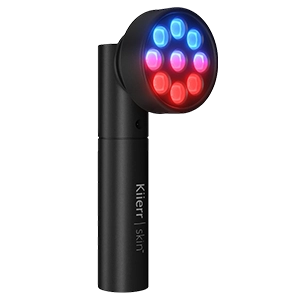
This is a smaller, handheld device designed for more targeted use.
It combines red and blue light, which are usually associated with different things. Red light is often linked to supporting skin texture, while blue light is commonly mentioned in relation to breakouts.
Because it’s compact, it’s the sort of tool you could use on specific areas rather than the whole face.
It feels like something you’d reach for if you wanted a more focused approach. I think some customers also choose devices that complement the masks like the high frequency facial wards.
My Derma Dream MyoGlow – Multi-Function Beauty Device
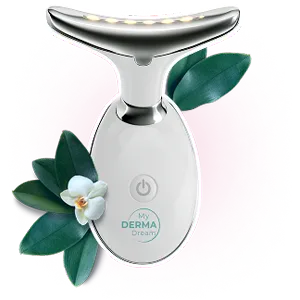
Devices like this combine light therapy with other features, such as gentle facial stimulation.
The idea is that it supports circulation and gives a slightly more “active” treatment compared to something like a mask.
These types of tools seem to be quite popular with people who prefer multi-purpose devices rather than having lots of separate tools.
It’s the kind of thing that fits into a longer skincare routine rather than a quick step.
Kala Red Light Pro Panel – Full-Body Light Therapy
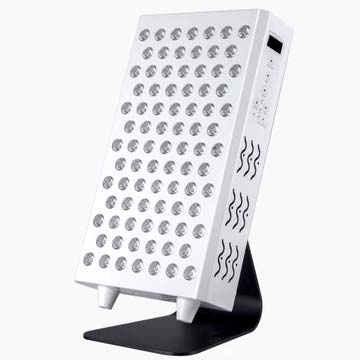
This is a much larger device designed for broader use.
Unlike facial tools, panels like this are used for larger areas of the body and are often associated with things like muscle recovery or general wellness.
It’s a slightly different approach to light therapy, and probably more suited to people who are specifically interested in recovery or full-body use.
Novaa Knee Ultra – Targeted Light Therapy for Joints
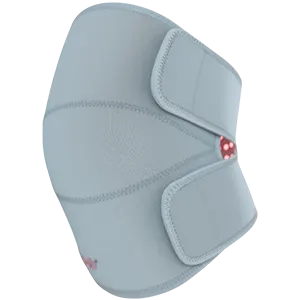
The Novaa Knee Ultra is designed for a very specific purpose – supporting the knee area.
It wraps around the joint, allowing for more targeted use while you’re resting or relaxing.
Devices like this seem to be more focused on recovery and comfort rather than skincare. This is a slightly different type of device, but I do have quite bad knees from years of high-impact sports, so it’s something I’d be interested to try.
How to choose a red light therapy device
There are quite a few options available now, so it really depends on what you want to use it for.
A few things that seem worth considering:
- Treatment area – whether you want something for your face or body
- Device type – masks, handheld tools, panels or wearable wraps
- Ease of use – whether it fits easily into your routine
- Time – how long each session takes
Some devices feel more like part of a skincare routine, while others are more focused on recovery or general wellness.
Final thoughts
Red light therapy is one of those things that seems to be becoming more popular as people look for ways to simplify their routines at home.
There are a lot of different devices available, and they vary quite a bit depending on whether you’re focusing on skincare, recovery or general self-care.
It’s probably something that takes a bit of consistency to see results, but it’s interesting how many different formats now exist — from simple masks to more specialised tools.
It’s definitely something I’ve been curious about exploring more.