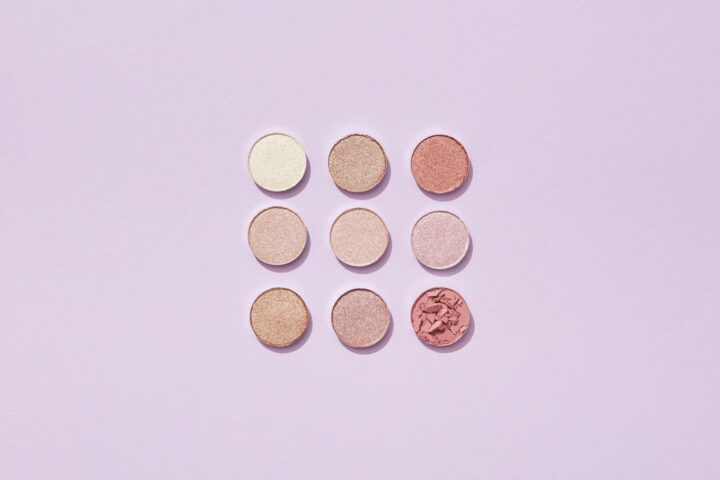
It’s only within the last few years I’ve gotten into eyeshadow, before I was just a mascara girl or at a push a slick of eyeliner. However, I’ve come to appreciate the power eye makeup has to redefine your entire appearance.
For example, a soft wash of neutral shadow can make you look fresh and polished, while a bold liner or dramatic blend instantly creates intensity. Whether you prefer understated elegance or statement glamour, understanding how to adapt your eye makeup to different occasions makes all the difference.
Why Eye Makeup Matters
Eye makeup is often the focal point of any beauty look. It frames your face, enhances your features, and directs attention to your expression. Even minimal changes can completely shift how your overall makeup feels.
How eye makeup can completely transform your look
A subtle layer of mascara opens the eyes and makes you look more awake. Add definition with liner, and your eyes appear sharper and more structured. Deepen the crease with shadow, and suddenly your look carries more depth and dimension.
The transformation does not require heavy products. Placement, blending, and tone selection are what create impact. A few thoughtful steps can elevate even the simplest routine.
Using eyes to express mood, style, and personality
Eyes naturally draw attention during conversation. The way you enhance them can reflect your mood or aesthetic.
Soft neutrals suggest calm confidence. Smoky tones hint at drama and evening glamour. Bright shades show creativity and boldness. Your eye makeup becomes a subtle extension of your personality.
The difference between casual, day, evening, and special occasion looks
Not every look suits every setting.
Daytime styles tend to be lighter and more blended, focusing on definition without heaviness. Evening looks often include deeper shades, shimmer, or stronger liner. Special occasions allow for more experimentation, including glitter, bold color, or intricate blending techniques.
Understanding this distinction helps you choose looks that feel appropriate and effortless rather than overdone.
Eye Comfort & Everyday Wear
Beautiful makeup means little if your eyes feel irritated or tired. Comfort should always come first, especially if you wear makeup for long hours.
Preparing your eyes properly makes application smoother and helps products sit better throughout the day.
Start with clean, moisturised skin. Hydrated under-eyes reduce creasing and allow concealers to blend seamlessly. If your eyes feel dry, allow them to rest before applying any products.
For those who wear contact lenses, it is best to insert them before applying eye makeup. This reduces the risk of transferring product onto the lenses and keeps your vision clear during application.
Throughout the day, avoid rubbing your eyes, especially if wearing liner or mascara. Gentle blotting works better than wiping if your eyes water slightly.
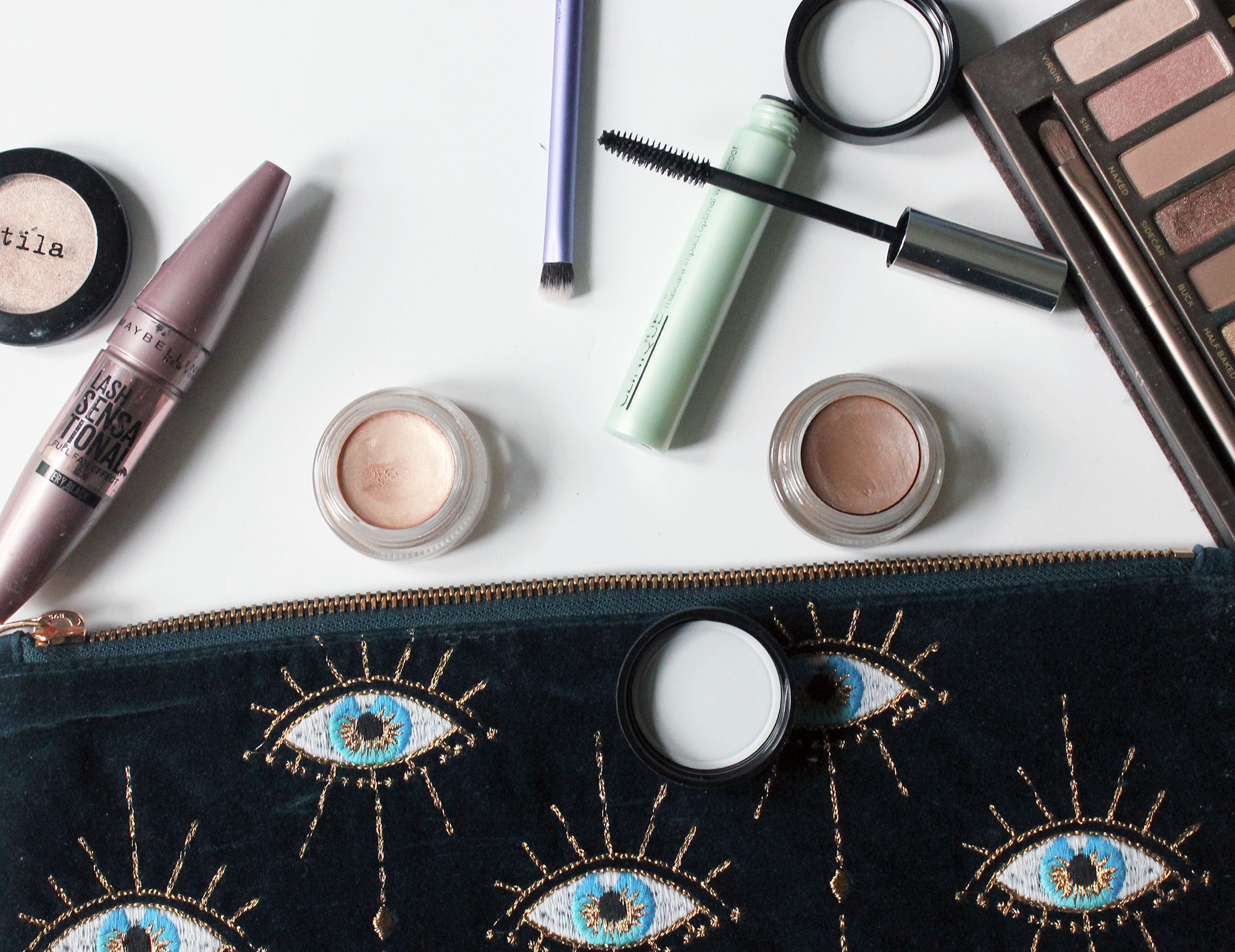
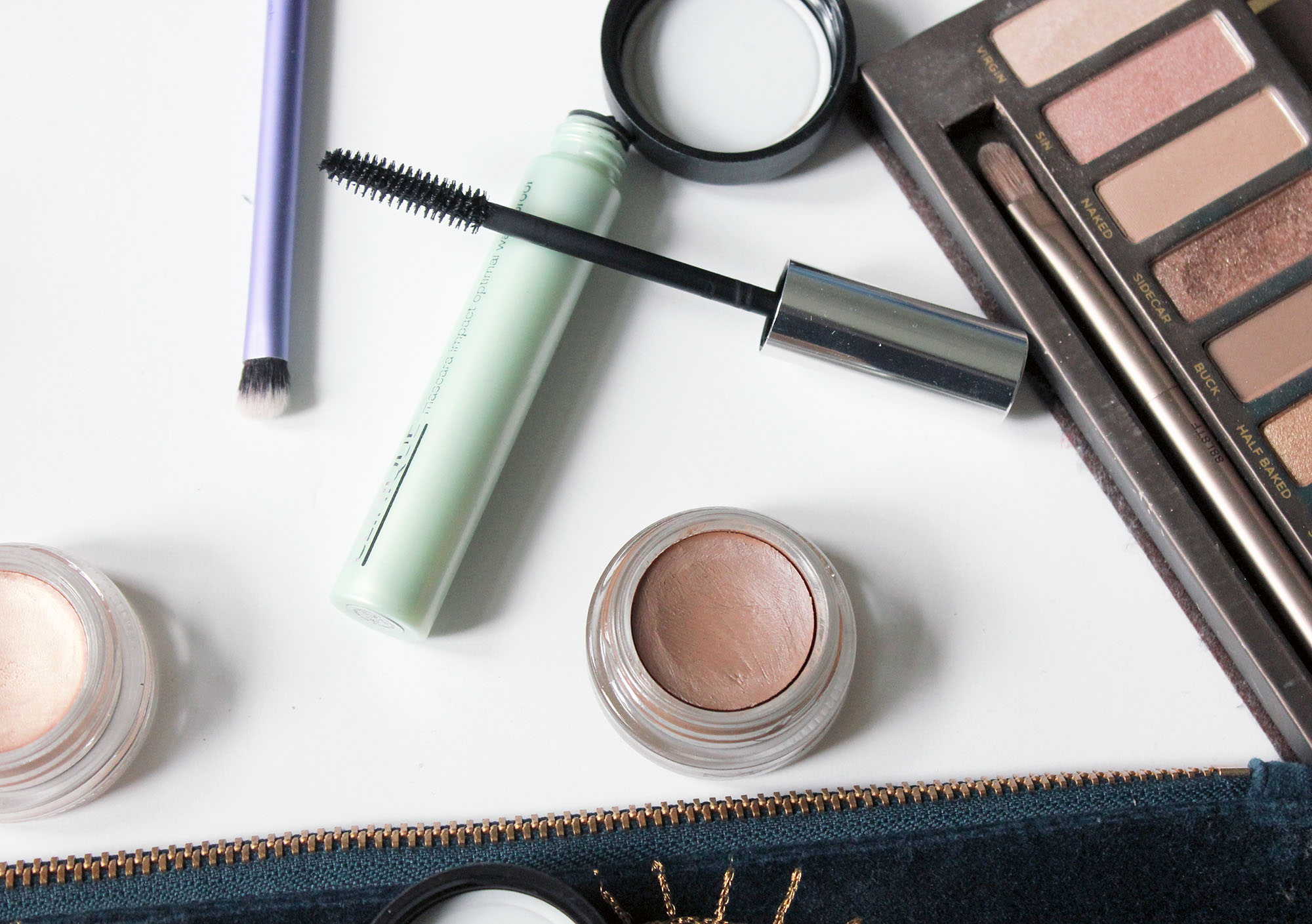
Simple hygiene habits matter. Replace mascara regularly (I’ve just stocked up on mine), clean brushes often, and avoid sharing eye products. These small steps help prevent irritation and maintain comfort, especially during long days or events.
Preparation Before Whole Makeup
A flawless eye look begins before the eye shadow touches the lid. Preparation shapes the final result and improves longevity.
Skin prep: Primer and concealer basics
Primer creates a smooth base for eyeshadow and helps prevent creasing. Apply a thin layer across the lid and blend evenly.
Concealer brightens the under-eye area and neutralizes discoloration. Choose a lightweight formula and blend carefully to avoid settling into fine lines. A small amount is often enough.
Setting lightly with powder can lock everything in place without creating dryness.
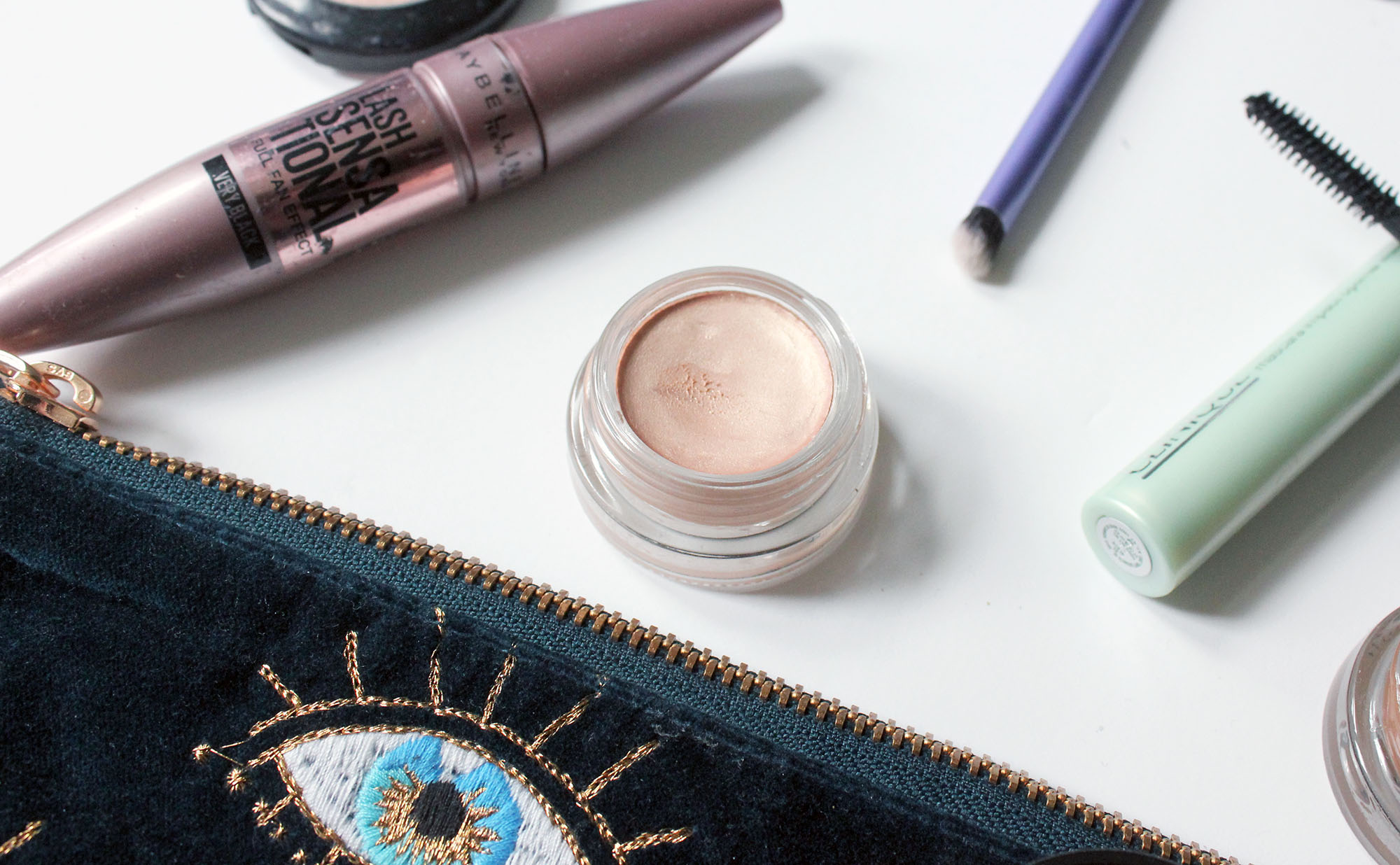
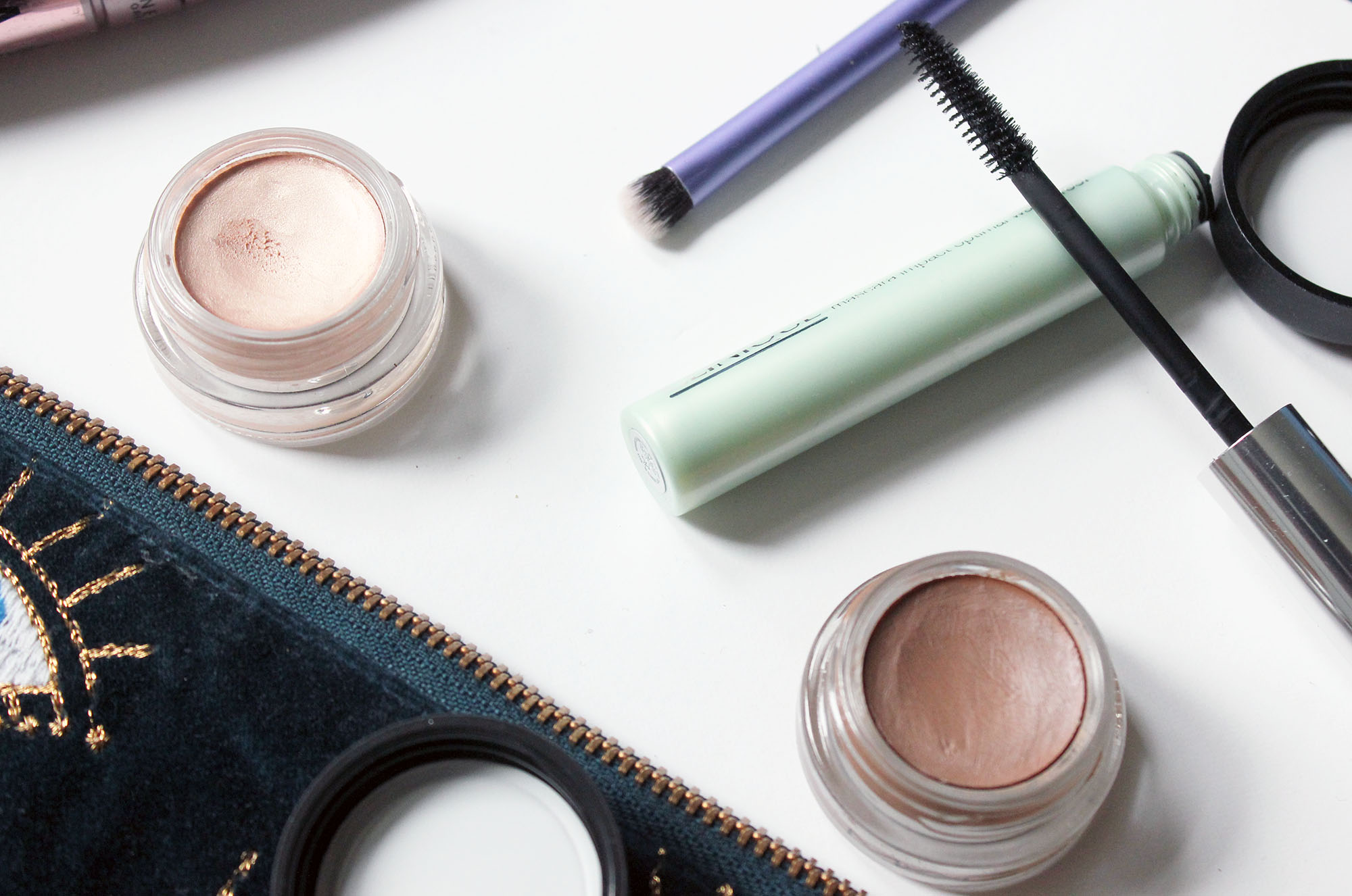
Sometimes I like to use my MAC Paint Pot in Bare Study as a primer – and you can find my review of it here.
Tools & products: Must-have brushes, mascaras, liners, and shadows
Quality tools improve precision and blending.
A fluffy blending brush softens edges. A smaller detail brush adds depth to the crease or lower lash line. A flat brush helps pack colour onto the lid evenly. I love the Real Techniques Everyday Eye Essentials as this set has every brush for every eye look.
Mascara defines lashes and completes almost every look. Eyeliner shapes and sharpens the eye, whether you prefer a soft pencil or liquid definition.
Choose shadows that suit your skin tone and personal style. Matte shades provide structure, while shimmer adds dimension. I love a good neutral, and something like Stila Kitten for a night out.
Understanding your eyes: Shapes, colours, and what complements them
Different eye shapes respond differently to placement.
Hooded eyes benefit from slightly higher crease blending. Almond eyes adapt easily to most techniques. Round eyes can appear elongated with outward blending.
Eye colour also influences shade selection. Warm tones enhance blue eyes. Earthy browns and plums complement green eyes. Golds and bronzes highlight brown eyes beautifully.
Understanding these small details helps you apply trends in a way that flatters rather than overwhelms.
Effortless Daytime Looks
Daytime makeup should feel polished but not overpowering. The goal is enhancement, not drama.
A light matte shadow in the crease, subtle liner along the lash line, and mascara create definition without heaviness, while the best eyelash growth serums help support longer, fuller lashes that enhance your natural beauty.
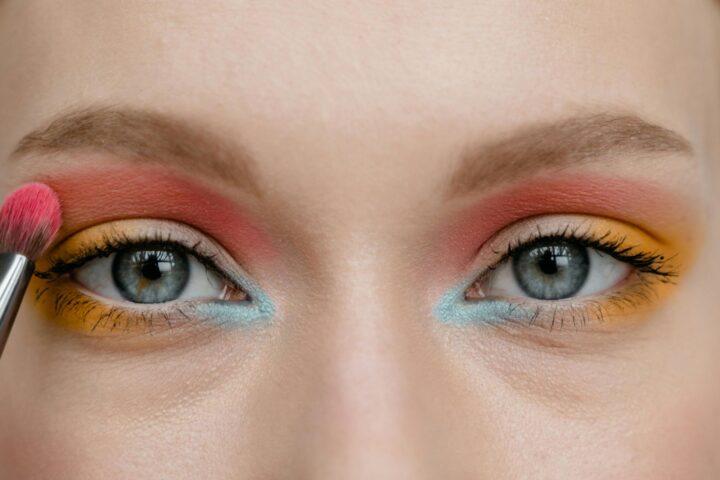
Subtle pops of colour can brighten your eyes without making the look feel excessive. A soft peach, muted mauve, or gentle shimmer on the inner corner adds life while staying refined. Sometimes I love a sheer wash of MAC’s Paint Pot over the lid and along the bottom waterline.
Seasonal shifts also inspire daytime styles. Spring often calls for pastel washes that feel fresh and airy. Summer pairs beautifully with golden shades that reflect sunlight. Autumn favours earthy browns and warm rust tones that feel cosy and rich.
These variations keep your routine interesting without straying too far from everyday comfort.
Popular Eye Makeup Techniques
Trends continue to evolve, but certain techniques remain widely loved because they create depth and drama.
Cut crease looks emphasise contrast between lid and crease, creating a bold, sculpted finish. Halo eyes focus shimmer at the centre of the lid for a rounded, luminous effect. Ombré blending transitions shades smoothly from light to dark, offering a seamless gradient.
Adapting these techniques depends on the occasion. A soft cut crease works for formal events when toned down with neutral shades. A bold halo eye with shimmer suits evening celebrations. Ombré blending fits almost any setting when colors remain balanced.
The key is adjusting intensity. What works for a gala may need softening for dinner with friends.
Final Thoughts
Eye makeup is more than decoration. It enhances expression, supports confidence, and adapts to every setting in your life.
By focusing on preparation, comfort, and thoughtful technique, you can create looks that feel natural for the day and striking for special occasions. Small adjustments in color, placement, and intensity allow you to shift seamlessly between casual mornings and elegant evenings.
When comfort meets creativity, your eye makeup becomes both effortless and expressive.
Do you wear eye make up often?
Looking to get into high end beauty products?
Take a look at my top ten tips to budget for luxury beauty products next.